Room to roam
Start with an uninterrupted floor area of at least 100 × 50 cm and a height of 50 cm. Leave space for a wheel, a dark hide and routes between them.
For a hamster, the bedding underfoot is a place to dig a tunnel, build a nest and tuck away supper. A good home makes room for all three.
Set up a habitat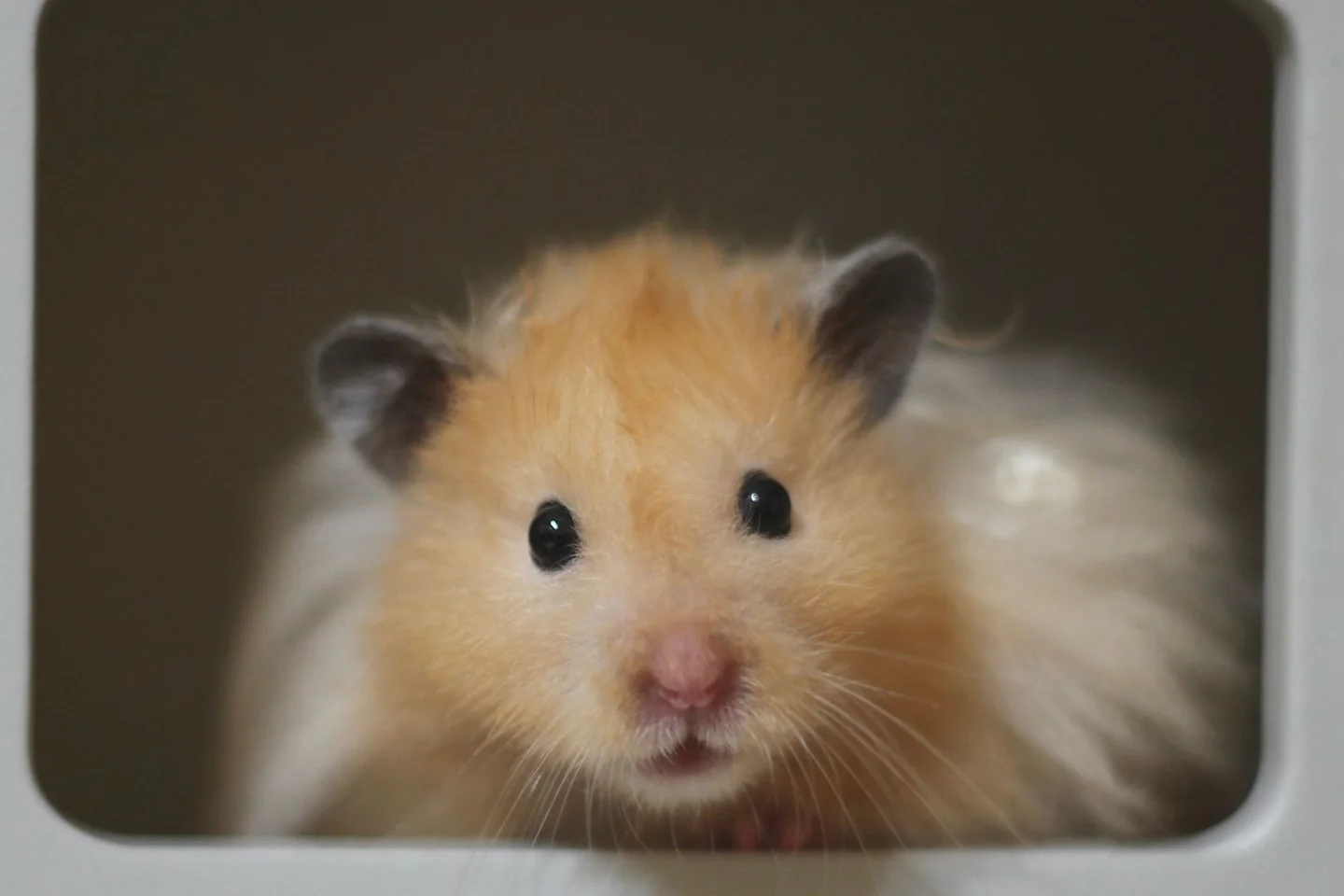
The hamster care library
Browse all 30 guidesChoose a quiet spot away from draughts and direct sunlight. A secure, ventilated lid keeps an inquisitive hamster safely inside.
Start with an uninterrupted floor area of at least 100 × 50 cm and a height of 50 cm. Leave space for a wheel, a dark hide and routes between them.
Allow room for at least 25 cm of dust-extracted bedding in the burrowing area. Paper bedding is a good choice. Soft strips of plain tissue give your hamster something to carry back to the nest.
Choose an upright wheel with a solid running surface. Watch from the side. Your hamster should be able to run with a straight back and its head level.
Habitat guidance from Blue Cross and the RSPCA.
Let your hamster wake in its own time. When it comes out to explore, take a few minutes to check its home.
Give fresh drinking water every day. If you use a bottle, touch the tip to check that water flows and look underneath for damp bedding.
Measure out a complete hamster food according to its feeding guide. Scatter part of the ration across clean bedding so your hamster can search for it.
Check for wet patches and leftover fresh food. Remove what has spoiled and leave dry tunnels and clean nesting material in place.
Rest your hand in the enclosure while your hamster is awake. Give it time to sniff your fingers and step onto your palm. If it heads for its hide, try again another evening.
Once it approaches comfortably, cup both hands underneath and keep them low over a safe surface. A short, gentle visit is a good place to start.